Understanding Formal Streetwear: Defining a New Era
The essence of **formal streetwear** lies in its innovative blend. It takes the familiar comfort and individualistic spirit of streetwear. Then, it layers on the polished sophistication of formal wear. The result is an intentional look that feels both effortless and considered. This style moves beyond rigid dress codes. It celebrates personal expression within a sophisticated framework. For years, many felt constrained by traditional fashion labels. Terms like “semi-formal” often conjured outdated images. They rarely captured the dynamism of modern urban style. **Formal streetwear** offers a compelling alternative. It allows individuals to bridge the gap. They can blend their favorite casual pieces with more tailored items. This creates a distinctive, contemporary wardrobe. This fashion movement is more than just a passing trend. It reflects a shift in how we perceive dressing up. Comfort and functionality are now paramount. Yet, the desire for elegance remains strong. **Formal streetwear** perfectly balances these needs. It champions high-quality fabrics and versatile silhouettes. This ensures pieces remain relevant for years. The style prioritizes thoughtful layering and unexpected combinations. Imagine pairing a structured blazer with relaxed-fit trousers. Or consider a high-quality knit over a simple graphic tee. These are hallmarks of this emerging aesthetic. It is about strategic contrasts that create visual interest. This makes formal streetwear incredibly adaptable for various occasions.The Style Evolution: From Sneakers to Tailored Trousers
Fashion is a constant cycle of change and adaptation. The mid-2010s, specifically 2015-2020, saw sneakers dominate the style landscape. Iconic pairs like Chicago Ones and Tom Sachs collaborations dictated trends. Simply owning these shoes made an outfit “stylish.” This era highlighted the power of footwear in defining a look. It cemented sneakers as a cultural staple. However, tastes evolve, and the sneaker hype bubble eventually softened around 2022. There was a notable shift. Focus moved away from sneaker dominance. Instead, formal footwear began to gain significant traction. Loafers, boots, and classic dress shoes started complementing outfits. They no longer had to *be* the outfit’s focal point. This change allowed for greater stylistic depth. This evolution paved the way for more nuanced expressions. The “eclectic grandpa” trend emerged, for example. It embraced colorful knitwear, tweed, and patterned shorts. This style celebrated a lifetime of curated clothing. It emphasized individuality and quirky charm. This reflected a growing appetite for diverse and personal aesthetics. It was a clear precursor to widespread **formal streetwear**. The demand for adaptable fashion has grown. People seek versatility in their wardrobes. They want pieces that transition seamlessly. This applies from corporate settings to casual outings. The rise of **formal streetwear** addresses this directly. It offers a practical yet stylish solution. It blends comfort with professional aesthetics, expanding options for everyone.Iconic Influences: Shaping Formal Streetwear
Many figures have shaped the landscape of modern fashion. ASAP Nast, a prominent member of the ASAP Mob, was undeniably a pioneer. From 2017 to 2022, he consistently showcased groundbreaking outfits. He seamlessly fused his Harlem roots with traditional menswear. His cardigans, sweater vests, and trench coats became iconic. Nast’s influence resonated widely. Many considered him the best-dressed rapper of his time. His innovative approach even sparked a notable style feud. Tyler the Creator, another influential figure, was accused by Nast of copying his signature looks. Despite the controversy, Tyler’s popularization of loafer-based outfits cannot be overstated. He brought these more formal footwear choices to a massive audience. His style helped shift mainstream fashion away from sneaker-centric looks. This further fueled the **formal streetwear** movement. Yet, we can trace elements of this style much further back. Thelonious Monk, the legendary jazz pianist, was a true visionary. His style in the 1950s was remarkably ahead of its time. He wore baseball caps casually. This was highly unusual for a grown man outside of sports. His baggy, untucked shirts paired with blazers were revolutionary. Monk’s entire wardrobe during that era could be considered early **formal streetwear**. His unique headwear, from fedoras to Papakha beanies, added another layer of individuality. He truly demonstrated how to blend disparate elements into a cohesive, avant-garde look. Miles Davis also left an indelible mark on fashion. He consistently showcased effortlessly stylish looks throughout his career. His sartorial choices often blurred genre lines. Like Monk, he exemplified a timeless sense of cool. These influential figures prove that mixing styles is not new. It has deep roots in artistic expression.Comfort Meets Style: The Future of Formal Footwear
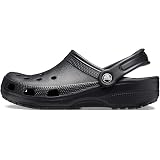
The video highlights a crucial challenge in formal footwear: comfort. Traditional loafers and dress shoes can be notoriously uncomfortable. Long hours of walking can lead to demolished heels. This practical issue has historically deterred many. It often pushed people back towards the familiar comfort of sneakers. However, innovation is addressing this problem directly. We are entering an era of hybrid footwear solutions. Brands are now experimenting with advanced materials and construction methods. The goal is to provide unparalleled comfort without sacrificing style. For example, the Korean brand After Pray has released loafers featuring elastic bands on the heel. These combine sheepskin leather for softness. This design choice significantly enhances wearability. Another exciting development is the collaboration between Junya Watanabe and New Balance. Their upcoming releases in 2024 promise to blend athletic comfort with high-fashion aesthetics. This partnership exemplifies the trend towards hybrid designs. It shows that formal footwear can evolve. It can become as comfortable as your favorite pair of sneakers. My personal favorite example is Anagadana clogs. These are crafted in France and Morocco from hemp plastic. They offer superior comfort and waterproof durability. They feature an easy slip-on, slip-off form. From a non-fashion perspective, they can even resemble boots when worn with trousers. This demonstrates how material composition can redefine comfort. This commitment to innovation is slowly reducing sneaker dominance. It’s making stylish, comfortable formal footwear more accessible.Curating Your Wardrobe: Key Brands and Timeless Pieces
Embracing **formal streetwear** means building a versatile wardrobe. It involves carefully selecting pieces that transcend fleeting trends. Goldie Williams and Alex Dobé, French street style photographers, exemplify this approach. Their minimalist style focuses on timeless, reusable pieces. This not only looks fresh but also promotes sustainability. They demonstrate that thoughtful curation is more impactful than endless consumption. Headwear also plays a vital role in this aesthetic. As the video emphasizes, a hat can complete a formal streetwear outfit. It adds a crucial element of polish and individuality. From berets to beanies, headwear anchors the look. It adds a finishing touch that makes an outfit feel intentional. Thelonious Monk’s diverse collection of headwear serves as a timeless example of this power. Several brands are defining the modern **formal streetwear** landscape: * **Outta Time (Germany, est. 2019):** Known for tone-on-tone trousers and jackets. * **Jian Ye (Japan, F/W 2023 “Matagi” collection):** Inspired by Japanese hunting culture. * **Sage Nation (London, est. 2020):** Blends Japanese and British heritage, focusing on traditional materials. * **JLAL (John Luke Ambridge Lavelle):** Renowned for technological innovation and experimentation. * **Curated Parade (Seoul, est. 2021):** Features structured patterns and director’s philosophy. * **Auralee (Japan):** Pioneers in researching high-quality raw materials and developing original fabrics. * **SK Maner Hill (NYC):** Designs inspired by vintage garments, made with natural fibers from Europe and Japan. * **Omar Afridi (London):** A menswear brand creating distinct collections. Additionally, certain retail stores excel at curating this style. **Maillot** offers a diverse range of exclusive street fashion and independent brands. **Chinatown Country Club** in Sydney provides an innovative selection of emerging and established labels. Both serve as excellent sources of inspiration for building a **formal streetwear** collection. Their curated selections help guide enthusiasts toward unique and high-quality garments.From Sidewalk to Sophistication: Formal Streetwear Q&A
What is formal streetwear?
Formal streetwear is a modern fashion style that blends the relaxed comfort and individual spirit of streetwear with the polished sophistication of formal wear. It creates an elevated yet comfortable aesthetic.
When did formal streetwear become a recognized trend?
The term “formal streetwear” was coined in late 2023 and quickly gained popularity, though its elements have been evolving in fashion for several years, especially with a shift away from pure sneaker dominance.
What types of clothing define formal streetwear?
This style combines tailored items like structured blazers or trousers with more casual pieces such as relaxed-fit pants or high-quality knitwear. It emphasizes thoughtful layering and strategic contrasts for visual interest.
Who are some key influencers of formal streetwear?
ASAP Nast is a prominent modern pioneer, known for blending Harlem style with traditional menswear. Historically, jazz legend Thelonious Monk also showcased an early form of this style in the 1950s with his unique mix of formal and casual pieces.