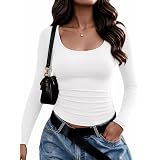
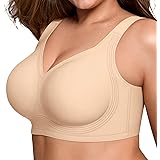
It often begins with a subtle shift in perception. What was once considered mere utility—a simple garment for physical exertion—has undeniably evolved into a sophisticated blend of engineering, aesthetics, and personal expression. As observed in the preceding visual presentation, modern gym outfits are no longer just about covering the body; they are meticulously crafted to enhance performance, inspire confidence, and reflect an individual’s unique style.
I recall a personal anecdote where a particularly well-designed set of activewear fundamentally altered my approach to an early morning training session. The optimal compression, the moisture-wicking capability, and even the psychological boost from the aesthetic appeal transformed a routine workout into a truly invigorating experience. This profound impact underscores the significant advancements made within the activewear industry, where every stitch and fabric choice is considered.
The Synergistic Relationship Between Form and Function in Activewear
Decades ago, workout apparel was primarily seen through the singular lens of practicality; functionality was paramount, and aesthetic considerations were largely secondary. Today, however, activewear is meticulously designed with a dual mandate, integrating cutting-edge material science with contemporary fashion principles. This convergence ensures that gym outfits not only perform under duress but also resonate with current style sensibilities.
This holistic approach means that performance features are seamlessly interwoven with design elements, resulting in garments that are both highly effective and visually appealing. The underlying philosophy dictates that optimal performance is frequently amplified when a wearer feels confident and comfortable in their attire. Thus, the engineering and artistry are intrinsically linked.
Fabric Innovations Driving Performance in Gym Outfits
The foundation of high-performance activewear is unequivocally laid in its textile composition. Advanced synthetic blends are routinely developed to address specific physiological demands encountered during various forms of exercise. These materials are not merely fabrics; they are complex systems engineered to optimize wearer comfort and efficiency.
For instance, moisture-wicking technology, often achieved through specialized polyester or nylon weaves, is indispensable for transporting perspiration away from the skin’s surface. This rapid evaporation process is crucial for thermoregulation and preventing chafing, ensuring that the wearer remains dry and comfortable. Similarly, compression fabrics, typically composed of elastane-rich blends, are employed to provide targeted support to muscle groups, which is believed to aid in reducing muscle oscillation and accelerating recovery post-exertion.
Furthermore, anti-microbial treatments are frequently integrated into these textiles to inhibit bacterial growth, thereby minimizing odor retention even after intense workouts. Breathability, a critical factor for sustained comfort, is often facilitated by mesh panels or engineered perforations strategically placed in high-heat zones. These innovations collectively represent a significant leap from traditional cotton-based workout attire, which tends to absorb and retain moisture, leading to discomfort and increased microbial activity.
Ergonomic Design: Tailoring Activewear for Diverse Workouts
Beyond material science, the ergonomic design of workout clothes is equally critical in optimizing performance for specific activities. A garment engineered for high-intensity interval training (HIIT) will exhibit distinct characteristics compared to one designed for yoga or weightlifting. This specificity underscores the expertise involved in crafting truly functional activewear.
For yoga and Pilates, garments are typically constructed with maximal flexibility and unrestricted range of motion in mind. Four-way stretch fabrics are paramount, allowing for deep stretches and intricate poses without resistance. Seam placement is also carefully considered, often utilizing flatlock stitching to prevent skin irritation during prolonged contact or complex movements. Conversely, activewear intended for weightlifting often prioritizes durability and abrasion resistance in key areas, along with designs that accommodate larger muscle groups without hindering movement. Support is paramount in such applications.
High-impact activities, such as running or CrossFit, necessitate designs that offer superior support and stability. Features like reinforced waistbands, integrated bust support in sports bras, and strategically placed ventilation zones are essential. The dynamic requirements of each exercise modality dictate unique design parameters, ensuring that the activewear functions as an extension of the body rather than a hindrance.
Beyond Performance: The Psychological and Aesthetic Dimensions of Workout Attire
While the physiological benefits of advanced activewear are undeniable, its psychological impact is equally profound. The visual appeal and personal connection to one’s fitness fashion can significantly influence motivation, self-perception, and consistency in pursuing fitness goals. This aspect, implicitly highlighted by the visual appeal of the video, is a cornerstone of modern active living.
The concept of “glow mode,” often associated with the video’s hashtags, speaks directly to this psychological uplift. It encapsulates the feeling of vibrancy and confidence that can be cultivated when one feels good in their activewear. This emotional resonance is a powerful, yet often underestimated, driver in maintaining an active lifestyle.
Cultivating Confidence: The ‘Look Good, Feel Good’ Ethos
The adage “look good, feel good, perform good” holds considerable weight within the realm of activewear. When individuals wear activewear that is both flattering and functional, a perceptible boost in confidence is frequently observed. This psychological uplift can translate into increased motivation to attend workouts, push harder during sessions, and generally embrace a more active lifestyle.
The aesthetic appeal of activewear, encompassing color palettes, silhouettes, and stylistic details, contributes significantly to this phenomenon. A well-coordinated ensemble can instill a sense of readiness and professionalism, even within the casual environment of a gym. This perceived mastery can positively influence one’s mental state, effectively preparing them for the physical challenges ahead. The alignment between personal style and functional apparel is thus a powerful catalyst for consistent engagement.
The Athleisure Phenomenon: Integrating Gym Outfits into Everyday Life
The rise of athleisure as a pervasive fashion trend represents a significant paradigm shift in how activewear is perceived and utilized. No longer confined solely to the gymnasium, athleisure wear is now an integral component of daily wardrobes, blurring the lines between sportswear and casual attire. This transformation is driven by a consumer demand for comfort, versatility, and style that seamlessly transitions across various aspects of life.
The global activewear market, a multi-billion dollar segment, demonstrates a significant shift in consumer preferences, with projections indicating continued substantial growth. This expansion is fueled by innovations that allow activewear to maintain its technical performance while adopting sophisticated aesthetic qualities suitable for non-athletic contexts. Elements such as tailored fits, elevated fabrics, and fashion-forward designs enable wearers to transition from a workout session to social engagements or professional settings without needing a complete wardrobe change. This versatility is a key driver for the enduring popularity of athleisure, making gym outfits a staple for modern life.
Navigating the Nuances: Sustainability and Selection in Modern Activewear
However, beyond personal aesthetics and immediate performance, broader considerations are increasingly influencing the procurement of gym outfits. The contemporary consumer is often more attuned to the environmental and ethical implications of their purchasing decisions. This awareness necessitates a deeper dive into the manufacturing processes and material sourcing within the activewear industry, especially for expert consumers.
The pursuit of cutting-edge performance must now be balanced with a commitment to responsible production. This complex interplay presents both challenges and opportunities for brands operating in this highly competitive space. Discerning customers are prioritizing brands that demonstrate transparency and a genuine commitment to sustainable practices, aligning their values with their purchasing power.
The Imperative for Sustainable Activewear Practices
The environmental footprint of textile production, particularly in the sportswear sector, has become a critical area of focus. Traditional synthetic fabrics, such as polyester and nylon, are petroleum-based and contribute to plastic pollution and greenhouse gas emissions. Consequently, there is a growing imperative within the industry to adopt more sustainable practices and materials. This shift is not merely a trend; it represents a fundamental change in production philosophy.
Brands are increasingly exploring innovative alternatives, including recycled polyesters derived from post-consumer plastic bottles and discarded fishing nets. Organic cotton, Tencel (lyocell), and modal, sourced from sustainably managed forests, are also gaining traction as eco-friendlier options for activewear. Furthermore, advancements in circular fashion models, where garments are designed for longevity, repair, and eventual recycling, are being implemented. These initiatives are essential for mitigating the environmental impact and moving towards a more responsible textile economy. Ethical sourcing and fair labor practices throughout the supply chain are also non-negotiable considerations for many discerning consumers.
Expert Criteria for Selecting the Optimal Gym Outfits
For those seeking to make informed decisions about their exercise apparel, a comprehensive evaluation process is recommended, extending beyond mere visual appeal. Expert criteria for selecting optimal gym outfits involve a meticulous assessment of various attributes that collectively contribute to performance, durability, and comfort. The fit of the garment is paramount; it should offer appropriate compression without restricting movement or circulation. A poorly fitting garment can impede performance and cause discomfort, undermining the entire purpose of specialized activewear.
Fabric composition should be scrutinized to ensure alignment with specific activity needs. For example, a high elastane content is ideal for flexibility, while a blend with nylon or polyester ensures moisture management. Seam construction is another critical factor; flatlock seams are preferred for their smooth, chafe-resistant finish, especially in areas of high friction. Furthermore, considering the long-term durability of the garment, including its ability to withstand repeated washing and intense physical activity, is prudent. Investment in high-quality activewear is often justified by its extended lifespan and sustained performance. Finally, understanding the care instructions is crucial for maintaining the garment’s integrity and prolonging its functional life, ensuring that your chosen gym outfits continue to serve you effectively.
Step into Glow Mode: Your Workout Wardrobe Q&A
What makes modern gym outfits different from older workout clothes?
Modern gym outfits are designed not just for physical activity, but also to enhance performance, inspire confidence, and reflect personal style. They combine advanced material science with current fashion trends.
What are some special features of fabrics used in activewear?
Activewear fabrics often include features like moisture-wicking technology to keep you dry, compression for muscle support, and breathability for comfort. Some also have anti-microbial treatments to help prevent odors.
What is ‘athleisure’?
Athleisure is a fashion trend where activewear is worn not only for exercising but also as everyday casual clothing. It focuses on comfort, versatility, and style that seamlessly transitions between different activities.
Why is feeling good in your workout clothes important?
Feeling confident and comfortable in your activewear can significantly boost your motivation to exercise and improve your self-perception. This psychological uplift can help you maintain an active lifestyle.