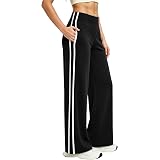
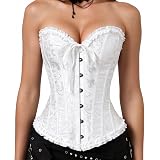
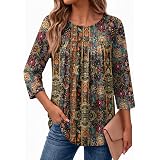
The allure of timeless fashion is beautifully captured in the captivating visuals above, showcasing a stunning array of retro outfits. These distinctive styles, far from being confined to history books, are currently experiencing a significant resurgence in popular culture and contemporary wardrobes. Understanding the enduring charm of vintage aesthetics allows individuals to cultivate a truly unique and expressive personal style, bridging the gap between historical elegance and modern flair.
Embracing Retro Fashion: A Journey Through Time
Retro fashion refers to clothing styles from past eras that have been revived and reinterpreted for current trends. This fascinating movement is much more than simply mimicking old looks; it involves a deep appreciation for the craftsmanship, silhouettes, and cultural narratives of previous decades. Consequently, integrating retro pieces into your wardrobe is akin to becoming a curator of your own style museum, showcasing iconic garments that tell a story.
The enduring popularity of these looks can be attributed to several factors. Many people are drawn to the perceived authenticity and quality of vintage items, often crafted with superior materials and attention to detail compared to contemporary fast fashion. Furthermore, retro styles offer a distinct sense of individuality, providing a refreshing alternative to the often homogeneous trends seen on high streets today. It truly allows for a unique expression that stands apart from the crowd.
The Allure of Timeless Vintage Fashion
Timeless vintage fashion transcends fleeting trends, establishing a permanent place in the realm of style. These garments possess an inherent elegance and character that modern pieces often struggle to replicate, providing a solid foundation for any wardrobe. Moreover, the decision to invest in vintage items can be considered a sustainable choice, actively promoting circular fashion and reducing the environmental impact of new clothing production. This approach benefits both personal style and planetary well-being.
The charm of these looks lies in their ability to evoke a sense of nostalgia while simultaneously feeling fresh and exciting. A well-chosen vintage dress, for example, might carry the whispers of a bygone era yet feel perfectly relevant when paired with modern accessories. It is this paradoxical quality that gives retro fashion its truly captivating power, making each piece a conversation starter. Consequently, wearers often feel a deeper connection to their clothing.
Iconic Retro Outfits and Eras
Exploring various iconic fashion eras provides a rich tapestry of inspiration for anyone interested in retro outfits. Each decade brought its own distinct silhouette, color palette, and attitude, offering a diverse range of styles to discover. Understanding these historical contexts is like decoding the secret language of fashion, revealing the inspirations behind popular designs.
Consider the sophisticated elegance of the 1950s, characterized by cinched waists, full skirts, and polished accessories, embodying a refined feminine silhouette. This era introduced iconic pieces like the poodle skirt and tailored separates, which continue to inspire designers today. Moreover, it cemented the idea of dressing with deliberate intent and grace, reflecting a post-war optimism.
Moving forward, the 1960s ushered in an era of liberation and youthful rebellion, introducing mod geometric patterns, vibrant colors, and groundbreaking mini-skirts. This period emphasized bold statements and a departure from traditional norms, reflecting significant cultural shifts. Consequently, the fashion was dynamic and playful, capturing the energy of a new generation.
The 1970s then brought a more eclectic blend of styles, from bohemian flowing dresses and bell-bottoms to glamorous disco attire and punk rock aesthetics. This decade showcased a remarkable versatility, mirroring a society experimenting with various subcultures and identities. Therefore, it presents a treasure trove of diverse retro outfit ideas for contemporary fashion enthusiasts.
Decoding Retro Styles: Key Elements
Effectively incorporating retro outfits into your personal aesthetic involves recognizing and utilizing key stylistic elements from different decades. These elements act as building blocks, allowing you to construct authentic or inspired looks that feel cohesive. Understanding these components is like learning the grammar of vintage design, enabling creative combinations.
-
Silhouettes: Each era had a defining shape, whether it was the hourglass figure of the 1950s, the A-line and shift dresses of the 1960s, or the relaxed, flared lines of the 1970s. Paying attention to these foundational forms is crucial for an authentic retro feel. Therefore, selecting garments with period-accurate cuts becomes essential.
-
Fabrics and Textures: From tweed and wool in earlier decades to polyester and denim in later ones, fabric choices play a significant role. Velvet, corduroy, and sequined materials also evoke specific vintage vibes. Furthermore, the quality and drape of these textiles contribute significantly to the overall aesthetic.
-
Patterns and Prints: Polka dots, gingham, paisley, psychedelic swirls, and geometric designs are all hallmarks of different retro periods. Incorporating these patterns can instantly inject a vintage flavor into an otherwise modern ensemble. Consequently, a single printed accessory can transform an outfit.
-
Accessories: Hats, gloves, scarves, chunky jewelry, cat-eye glasses, and specific footwear like Mary Janes or go-go boots are powerful tools. Accessories often complete a retro outfit, acting as exclamation points for your chosen era. Therefore, thoughtful accessory selection can elevate any vintage-inspired look.
Styling Retro Looks Today: A Modern Approach
Integrating retro outfits into a modern wardrobe does not mean dressing in a head-to-toe costume; rather, it involves a thoughtful fusion of past and present. The most successful contemporary retro looks often achieve a harmonious balance, taking inspiration without becoming theatrical. This approach allows for individual expression while maintaining relevance in today’s fashion landscape.
One effective strategy is to select one or two key vintage pieces and pair them with modern basics. For instance, a beautifully tailored 1960s shift dress can be updated with sleek contemporary ankle boots and a minimalist jacket. This blending technique ensures that your outfit feels current while still celebrating its vintage roots. Consequently, the retro item becomes a focal point without overwhelming the entire look.
Creating Your Signature Retro Style
Developing a signature retro style involves experimentation and understanding what aspects of vintage fashion resonate most with you. It is a creative process, much like an artist mixing colors to find the perfect hue. This personal exploration will ultimately lead to a wardrobe that feels authentic and deeply reflective of your individuality.
Consider focusing on a particular era or a specific aesthetic that genuinely excites you, rather than trying to embrace every vintage trend. Perhaps the rebellious spirit of 1970s punk fashion or the sophisticated glamour of 1940s Hollywood appeals more. Furthermore, pay attention to how different colors and textures from these periods can be combined with modern pieces. Ultimately, finding your personal connection to retro outfits will unlock a world of unique styling possibilities.
Unearthing Retro Style Secrets: Your Mind-Blowing Q&A
What is retro fashion?
Retro fashion refers to clothing styles from past eras that have been brought back and updated for today’s trends. It involves appreciating the unique designs and cultural narratives from previous decades.
Why is retro fashion popular today?
Retro fashion is popular because people appreciate the quality and authenticity of older items, and it offers a unique way to express individuality. It can also be a more sustainable fashion choice.
What kind of styles define different retro eras?
Different retro eras have distinct styles, like the elegant, cinched waists of the 1950s, the bold mod patterns and mini-skirts of the 1960s, or the varied bohemian and disco looks of the 1970s.
How can I wear retro clothes without looking like a costume?
To wear retro clothes without looking like a costume, try pairing one or two key vintage pieces with modern basics. This blends past and present, creating a stylish look that feels current and authentic.