The essence of 1970s Bohemian fashion, a style intrinsically tied to the era’s counterculture movement, is often seen as a direct repudiation of prior decades’ rigid sartorial codes. As explored in the accompanying video, this distinct aesthetic emerged from a profound desire for freedom, creativity, and self-expression, quickly becoming synonymous with a broader, more relaxed way of living. Far more than mere clothing, 1970s Boho was a visual manifesto against conformity, a celebration of individuality, and a tangible embrace of artistic and non-mainstream sensibilities.
The Genesis of 1970s Bohemian Fashion: A Historical Tapestry
The roots of 1970s Bohemian fashion extend much further than the nascent counterculture of the 1960s, drawing significant inspiration from the 19th-century Parisian Bohemians. These early artists and intellectuals deliberately eschewed the stifling conventions of Victorian society, opting for unconventional lifestyles and attire that reflected their artistic and intellectual freedom. This historical lineage provided a powerful foundation, reinterpreted by a generation seeking similar liberation from societal strictures during the tumultuous mid-20th century. By the 1970s, this spirit was masterfully blended with the psychedelic vibrance of the present, resulting in a rich, eclectic aesthetic.
The transformative energy of the late 1960s, particularly the widespread influence of the hippie movement, laid critical groundwork for the flourishing of 1970s Boho. The hippie ethos of peace, love, and environmental consciousness was directly translated into fashion through flowing fabrics, earthy color palettes, and a marked preference for handcrafted details. This period was characterized by significant social upheaval, including the Civil Rights movement, pervasive anti-war protests, and a growing awareness of ecological concerns. Consequently, young people were compelled to find tangible outlets for their ideals and newfound freedoms, with Bohemian fashion serving as a primary avenue for rejecting mainstream consumerism in favor of a more organic, artistic, and inherently sustainable approach to personal adornment.
Defining Elements and Global Influences of 1970s Boho
A core characteristic of 1970s Bohemian fashion was its bold embrace of global influences, creating a visually rich and diverse style that transcended geographical boundaries. Elements from disparate cultures were synthesized into a cohesive yet eclectic look. This cultural fusion was manifested through garments like Indian kaftans, adorned with intricate embroidery and vibrant patterns, and the heavy, often symbolic, jewelry of Native American traditions, frequently featuring turquoise and silver. Furthermore, African prints, known for their bold geometric designs and striking color combinations, became increasingly popular, adding another layer of visual complexity to the Bohemian wardrobe.
The construction and composition of garments were equally significant in defining 1970s Boho. There was a pronounced move away from the structured, tailored silhouettes prevalent in the 1950s and early 1960s. Instead, designers and wearers alike favored relaxed, loose-fitting garments that allowed for greater freedom of movement and a more casual elegance. Layering, a hallmark technique, permitted the combination of various textures, patterns, and silhouettes, creating depth and a sense of effortless style. Natural materials such as cotton, linen, suede, and leather were prioritized, not only for their tactile qualities but also for their alignment with the subculture’s emphasis on authenticity and connection to nature. This collection of attributes collectively redefined what it meant to dress with unstudied elegance and a profound sense of personal narrative.
The Ethos of Sustainability and Artisanal Craftsmanship
Central to the 1970s Bohemian subculture was a deep-seated commitment to natural and sustainable living, principles that intrinsically extended to clothing choices. A significant number of Bohemians purposefully opted for second-hand or handmade garments, employing their fashion as a subtle yet potent form of protest against the burgeoning fast fashion industry and environmental degradation. This conscientious approach, which championed longevity over disposability, was a direct challenge to the rapid consumption cycles of mass-produced clothing. It represented a deliberate return to valuing craftsmanship and resourcefulness, echoing ancient traditions of making and mending rather than constantly acquiring new items.
The “self-made” approach to fashion became a defining characteristic of 1970s Boho style, embodying a spirit of personal customization and creative autonomy. Individuals frequently personalized their clothing with various embellishments, transforming ordinary garments into unique statements. This was often achieved through the application of colorful patches, artfully embroidered motifs, or hand-painted designs using fabric paints, each addition contributing to a garment’s singular narrative. Denim, particularly bell-bottom jeans, served as a canvas for such creative expression, often repaired with multiple patches as they wore out, cherished until they literally fell apart. This practice underscored a rejection of perfectly uniform, factory-produced attire, instead celebrating the patina of wear and the story embedded within each modified piece.
Challenging Gender Norms Through Fashion
The 1970s were a pivotal decade for challenging established societal norms, particularly those dictating gender roles, and this progressive shift was vividly reflected in Bohemian fashion. Conventional masculine and feminine dress codes began to blur as both men and women enthusiastically adopted similar stylistic elements. Loose-fitting garments, which offered comfort and an unrestrictive silhouette, were worn by all, signaling a departure from the tight, often constricting clothing that had previously defined gendered attire. Flared jeans, a ubiquitous symbol of the era, became a unisex staple, embraced for their casual appeal and adaptability.
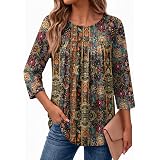
Additionally, flowing tunics, often adorned with intricate patterns or embroidery, became common wardrobe items for individuals across the gender spectrum. This deliberate choice of clothing not only provided comfort but also served as a visible representation of a broader social movement towards equality and fluidity. The abandonment of highly differentiated clothing styles allowed for a more ambiguous presentation of gender, aligning with the subculture’s overarching commitment to individuality and freedom from conventional expectations. This sartorial liberation was a quiet revolution, fostering a more inclusive and diverse understanding of personal expression.
Icons of 1970s Bohemian Style
The 1970s saw an array of influential figures whose personal styles helped to define and popularize the Bohemian aesthetic. For women, icons such as Stevie Nicks, Janis Joplin, and Ali MacGraw epitomized the Boho look, each bringing her unique flair to the movement. Stevie Nicks, as the lead singer of Fleetwood Mac, became particularly revered for her ethereal and mystical style. Her stage presence was unforgettable, characterized by long, flowing chiffon gowns and shawls, often layered with lace, velvet, and fringe, which created a romantic and otherworldly aesthetic. Her iconic “Rhiannon dress,” a layered black chiffon gown with billowy sleeves, allowed her to twirl with dramatic effect, enhancing her mystical aura on stage. Off-stage, Nicks maintained her distinctive style with vintage-inspired dresses, Victorian lace tops, and peasant blouses, always embodying an effortless yet dramatic presence.
Men, too, contributed significantly to the evolution of 1970s Bohemian fashion, with figures like George Harrison and Jim Morrison embracing a more eclectic and free-spirited style. Harrison, known for his contemplative demeanor and spiritual leanings, often integrated ethnic prints, intricate jewelry, and flowing scarves into his wardrobe, reflecting a global sensibility. Morrison, the enigmatic frontman of The Doors, frequently sported leather, fringed elements, and unconventional accessories, embodying a raw, artistic rebel aesthetic. These prominent figures, through their sartorial choices, demonstrated that Bohemian style was not confined to one gender or interpretation, but rather a versatile mode of self-expression that resonated across diverse personalities and public platforms, cementing the look’s cultural significance.
The Undeniable Influence of Music on 1970s Bohemian Fashion
The music scene of the 1970s played an indispensable role in the widespread popularization and evolution of the Bohemian style, functioning as both a soundtrack and a catalyst for its visual expression. Genres such as folk, rock, and psychedelic rock, alongside the emerging singer-songwriter movement, placed Bohemian aesthetics at the forefront of cultural consciousness. This era’s music was deeply infused with themes of freedom, personal expression, and a powerful return to nature, all of which were mirrored seamlessly in the fashion sensibilities of the time. The experimental and eclectic nature of the music, blending diverse genres and sounds, found its parallel in Bohemian fashion’s ability to draw from various cultural influences and historical periods, creating a harmonious synthesis between auditory and visual artistry.
Folk Music and Rustic Authenticity
Folk music, with its rich history of social and political commentary, served as a foundational cornerstone for both the Bohemian lifestyle and its accompanying style. Artists like Joni Mitchell and the supergroup Crosby, Stills, Nash & Young not only embraced the distinctive sound of folk music but also embodied its core ethos. Their clothing choices overtly reflected a profound desire for simplicity, authenticity, and a connection to more organic ways of living. Characterized by acoustic guitars, intricate harmonies, and introspective lyrics that resonated deeply with a generation yearning for societal change and genuine self-expression, folk music provided a powerful narrative. The Bohemian fashion that accompanied this musical movement—peasant blouses, embroidered vests, and flowing skirts—represented a tangible connection to a more natural and uncommercialized existence, perfectly aligning with the values of the burgeoning folk-rock movement.
Psychedelic Rock and Sensory Expression
Psychedelic rock exerted a profound and distinct influence on 1970s Bohemian fashion, cultivating a vibrant, surreal aesthetic that perfectly complemented its innovative soundscapes. Iconic bands such as The Doors, Jefferson Airplane, and The Grateful Dead consistently pushed the boundaries of music with their experimental styles, extended improvisations, and lyrical explorations of consciousness and spirituality. This genre cultivated a sensory-rich experience that was frequently echoed in the fashion choices of its adherents. Bright, often neon, colors, intricate tie-dye patterns, exaggerated bell-bottom pants, and patterned headbands became essential components of the psychedelic Bohemian wardrobe. These clothing choices were not merely about visual appeal; they were fundamentally about enhancing the sensory experience of the music and expressing the mind-expanding, exploratory themes inherent in psychedelic culture.
Singer-Songwriters and Understated Elegance
Additionally, the singer-songwriter movement of the 1970s, featuring introspective artists like Carole King, James Taylor, and Cat Stevens, profoundly shaped a more nuanced aspect of Bohemian fashion. This genre emphasized deeply personal and emotional storytelling through music, creating an intimate connection with listeners. The introspective and soulful nature of this music was frequently paired with a softer, more understated interpretation of Bohemian style. This look was characterized by cozy knit sweaters, gently flowing dresses, abundant use of denim, and robust leather boots. It was an aesthetic that was simultaneously casual and thoughtfully curated, reflecting the personal, confessional quality of the lyrics and the intimate performances that defined this deeply emotive genre. This particular branch of 1970s Bohemian fashion demonstrated that the style possessed a remarkable versatility, capable of conveying both vibrant rebellion and quiet introspection.
Festivals: Epicenters of 1970s Bohemian Fashion
The emergence and proliferation of music festivals, such as the legendary Woodstock in 1969, Monterey Pop, and Glastonbury, served as communal sanctuaries where music and 1970s Bohemian fashion flourished in an unparalleled symbiosis. These festivals transcended mere concerts; they became vital cultural epicenters, providing expansive stages where both artists and attendees could express themselves without reservation, through both their musical performances and their uniquely eclectic, often handmade, clothing. Woodstock, in particular, became a seminal moment for Bohemian fashion, with flowing skirts, bell-bottom jeans, fringed vests, and tie-dye shirts transforming into the de facto uniform of the counterculture. This event vividly showcased the collective spirit and visual identity of a generation committed to peace and artistic freedom.
These sprawling gatherings were far more than just venues for entertainment; they evolved into vibrant showcases for the entire Bohemian lifestyle. The distinctions between musicians and their devoted fans often blurred, united by shared ideals of peace, love, and artistic expression. Festivals like Glastonbury in the UK and Altamont in California further solidified the intertwined relationship between music, fashion, and the pervasive Bohemian spirit in unforgettable ways. Furthermore, specific urban locales like San Francisco’s Haight-Ashbury district and London’s Portobello Road blossomed into veritable hotspots for 1970s Bohemian fashion. Boutiques and independent street vendors in these areas offered an array of vintage finds, exquisitely handcrafted jewelry, and distinctive one-of-a-kind pieces that intentionally defied the mass-market trends of the day. Clothing, in this context, was transformed into an intimate canvas for personal expression, often meticulously embellished with intricate embroideries, delicate beads, and expressive fringe, reflecting a deeply personalized approach to style.
The Enduring Legacy of 1970s Bohemian Fashion
As the 1970s progressed, the underlying principles of freedom, creativity, and individuality, which were foundational to the 1970s Bohemian fashion movement, remained steadfast, even as the style itself incorporated elements from emerging trends like glam rock and disco. Despite these evolutionary shifts, the core ethos persisted, demonstrating the resilience and adaptability of the Bohemian spirit. The decade’s close did not signal the end of Bohemian style; instead, it left an indelible and lasting legacy on the broader fashion landscape, continuing to inspire designers, trendsetters, and cultural movements far beyond its immediate era. Its influence is profoundly felt in subsequent decades, reappearing in cyclical fashion revivals and finding new interpretations across various subcultures.
The spirit of 1970s Bohemian fashion remains a powerful reminder of a transformative period when clothing was not merely an outward display, but a profound declaration of one’s values and beliefs. It was a cultural revolution that extended far beyond the confines of sartorial choices, actively challenging established societal norms and celebrating a unique way of living that prioritized authenticity, connection, and liberation. Even though its popularity may have ebbed and flowed over the years, the enduring resonance of 1970s Bohemian fashion is undeniable. It consistently inspires new generations to embrace its core tenets of freedom, creativity, and individuality, solidifying its place as a hallmark of late 1960s and 1970s style, with enduring icons like Stevie Nicks continuing to embody and inspire this timeless aesthetic.
Fringe Benefits: Your 1970s Bohemian Fashion Q&A
What is 1970s Bohemian fashion?
It’s a style from the 1970s that expressed freedom, creativity, and individuality, often rejecting traditional fashion rules. It grew from the counterculture movement of that era.
Where did 1970s Bohemian fashion get its start?
Its roots trace back to 19th-century Parisian Bohemians and it was heavily influenced by the 1960s hippie movement’s focus on peace, love, and environmental consciousness.
What kind of clothing is typical for 1970s Bohemian fashion?
This style often features loose, flowing garments, layering, global patterns, and natural materials like cotton, linen, suede, and leather. Handcrafted details and earthy color palettes were also common.
Were there any famous people known for 1970s Bohemian style?
Yes, icons like Stevie Nicks, Janis Joplin, and Ali MacGraw epitomized the female Boho look. For men, George Harrison and Jim Morrison also embraced this free-spirited aesthetic.
How did music influence 1970s Bohemian fashion?
Music genres like folk, rock, and psychedelic rock played a huge role, with artists’ styles and festival culture, like Woodstock, shaping and popularizing the flowing, expressive, and natural clothing choices.