Embracing the Wenchcore Aesthetic: A Comprehensive Guide to Medieval-Inspired Styling
The allure of historical fantasy has permeated contemporary fashion, giving rise to distinctive aesthetics like “wenchcore.” This style, often characterized by its rustic charm and romantic silhouettes, draws heavily from medieval and Renaissance peasant attire, reinterpreting it through a modern lens. For those captivated by this unique trend, a foundational understanding of its core components is often sought.
The brief overview provided in the accompanying video offers an excellent starting point for assembling a wenchcore ensemble. However, to truly embody this aesthetic with authenticity and flair, a deeper dive into each element, along with considerations for fabric, layering, and accessories, can prove immensely beneficial. It is in the nuanced details that the full potential of the wenchcore style is realized, transitioning a simple outfit into a cohesive statement.
1. The Foundational Garments: Dresses, Tops, and Skirts
At the heart of any wenchcore look are the primary garments that establish the overall silhouette. These pieces are often noted for their flowing lines, natural fabrics, and a subtle nod to historical underpinnings.
The Off-the-Shoulder Appeal
As highlighted, an off-the-shoulder neckline is a hallmark feature, evoking a sense of romanticism and pastoral elegance. This design element, often associated with a “peasant blouse” or a “milkmaid top,” can be found in a variety of styles:
- Peasant Blouses: Typically feature elasticated necklines that can be worn pulled down around the shoulders, sometimes with ruffled edges or voluminous sleeves that gather at the cuff. These are frequently crafted from cotton, linen, or lightweight blends, ensuring breathability and comfort.
- Wenchcore Dresses: Often designed with similar elasticated or wide necklines, allowing for an off-the-shoulder wear. Such dresses frequently incorporate a cinched waist and a full, flowing skirt, reminiscent of period dresses. The material selection often includes textured cottons, slub linens, or even lightweight brocades for a more opulent interpretation.
The construction of these pieces is typically straightforward, allowing for ease of movement, which was a practical necessity for the historical figures they draw inspiration from. When selecting these foundational items, consideration should be given to how the fabric drapes and moves, as this contributes significantly to the overall wenchcore aesthetic.
2. The Art of Cinching: Corsets and Bustiers
A central tenet of the wenchcore style involves defining the waist and accentuating the torso. This is where the corset or bustier enters the equation, acting not just as a garment, but as a crucial structural and aesthetic element.
Embracing the Bodice Silhouette
While the video mentions corsets and bustiers, it is important to differentiate and understand their roles within the wenchcore context:
- Corsets: These are traditionally boned garments designed to shape the torso. For the wenchcore aesthetic, “overbust” corsets that cover the bust are frequently utilized. These can be rigid, offering substantial waist reduction, or more flexible, focusing on a defined silhouette without extreme cinching. Materials often include brocade, faux leather, or sturdy cotton, often featuring lace-up backs or front closures.
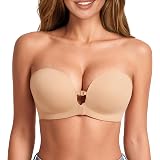
- Bustiers: Often less rigid than full corsets, bustiers are typically form-fitting tops that extend to the waist, featuring some form of boning and cup support. They offer a defined shape without the intense shaping of a traditional corset, making them a comfortable and versatile option for incorporating into a wenchcore outfit.
- Bodices: Sometimes, a softer, less structured “bodice” can be employed. These are often made from sturdy fabrics like velvet or brocade, with lacing at the front, offering the visual appeal of a corset without the full boning. They are particularly effective when worn over a peasant blouse, allowing the blouse’s sleeves to puff out gracefully.
The choice between these options is often dictated by the desired level of historical accuracy, comfort, and the overall effect one wishes to achieve within their wenchcore ensemble. The primary function is always to create a distinct, cinched waistline that contrasts with the voluminous elements of the skirt and sleeves.
3. Elevating the Silhouette: Skirt Support Mechanisms
One aspect that greatly contributes to the authentic wenchcore appearance is the full, often floor-length skirt. The video correctly emphasizes the importance of something to hold the skirt up, which is a subtle but impactful styling choice.
Achieving the Draped Effect
The deliberate lifting or draping of a skirt serves multiple purposes: it adds visual interest, allows for freedom of movement, and reveals layers or period-appropriate footwear. Several methods can be employed:
- Skirt Hikes or Overskirts: These accessories are specifically designed to gather and hold up sections of a skirt. They can be simple fabric ties, ribbons, or more elaborate belt-like attachments with clips or rings. By drawing up the sides or front of a voluminous skirt, an asymmetrical and dynamic silhouette is achieved.
- Pocket Belts or Hip Pouches: While primarily functional, a sturdy belt with attached pouches or rings can also be used to tuck and hold up parts of a skirt. This adds to the practical, working-class aesthetic inherent in wenchcore.
- Strategic Tucking: For simpler interpretations, sections of the skirt can be informally tucked into a belt or even into the waistband itself, creating a less structured but equally effective drape.
The utilization of these techniques ensures that the skirt, a fundamental component of the wenchcore style, is presented in a manner that reflects both historical practicality and modern aesthetic sensibilities. It allows for a dynamic presentation of the garment, preventing it from appearing overly static.
4. Footwear for the Flair: Boots and Period-Inspired Choices
No wenchcore ensemble is complete without the appropriate footwear. The video’s mention of boots underscores their significance in anchoring the look.
Grounding the Wenchcore Look
Boots are generally favored for their durability, comfort, and their ability to convey a rustic, utilitarian aesthetic. When selecting boots for a wenchcore outfit, several styles can be considered:
- Knee-High or Calf-High Boots: These are classic choices, often featuring a relatively flat heel for practicality. Styles with buckle details, lacing, or a slightly distressed finish are particularly fitting. Materials like faux leather or suede are commonly employed.
- Combat Boots: For a more modern, edgy interpretation of wenchcore, combat boots can be effectively integrated. Their sturdy construction and rugged appearance align well with the overall aesthetic, particularly when paired with darker fabrics or a more gothic undertone.
- Period-Inspired Footwear: While boots are versatile, other period-inspired options such as short ankle boots with lacing or even durable leather flats can be considered, especially if a less rugged look is desired. The key is to select footwear that appears robust and functional, rather than delicate or overly ornate.
The footwear choice should always align with the overall mood of the wenchcore attire, reinforcing the idea of a character ready for the demands of a historical setting, yet with a modern sensibility.
5. The Crowning Glory: Effortless Updos
The final touch, as the video suggests, is the hair. An updo, particularly a messy one, significantly contributes to the overall wenchcore persona, framing the face and completing the look.
Rustic Charm in Hair Styling
The ideal wenchcore updo is one that appears artfully undone, suggesting a practical hairstyle that has been hastily arranged yet remains charming. Key characteristics often include:
- Messy Buns or Braids: A low, loose bun with strands softly escaping, or a simple braid (or two) that is then pinned up are classic choices. The aim is to avoid anything too sleek or perfectly coiffed.
- Face-Framing Tendrils: Soft wisps of hair left loose around the face enhance the romantic and natural aesthetic.
- Hair Accessories: While not explicitly mentioned, small ribbons, woven braids, or even subtle floral pins can be incorporated to add further detail without detracting from the casual elegance.
The hair styling element is crucial in completing the wenchcore transformation, adding a layer of authenticity and rustic beauty that ties all the garment elements together.
Beyond the Basics: Enhancing the Wenchcore Ensemble
Achieving the full wenchcore style involves more than just selecting the core garments; it is a holistic approach to historical-inspired fashion that considers texture, layering, and purposeful accessorization. To truly master this aesthetic, an understanding of these deeper elements is beneficial.
Fabric and Texture Considerations
The tactile quality of the fabrics chosen significantly influences the overall authenticity and comfort of a wenchcore outfit. While synthetics can replicate certain looks, natural fibers often lend themselves better to the rustic charm of the aesthetic.
- Linen: Known for its breathability and characteristic crinkled texture, linen is an excellent choice for blouses, skirts, and even dresses. It provides a natural, earthy feel that is inherently wenchcore.
- Cotton: Versatile and comfortable, cotton in various weaves (e.g., broadcloth, gauze, denim-like textures) is frequently used. Heavy cotton can mimic the appearance of homespun fabrics.
- Brocade and Velvet: For a more opulent or “noble wench” look, touches of brocade or velvet can be incorporated, particularly in corsets, bodices, or accent pieces. These fabrics add depth and a luxurious texture contrast.
- Lace and Eyelet: Delicate lace or eyelet details can be used sparingly on blouse necklines or sleeve cuffs to add a touch of feminine charm without compromising the rustic appeal.
When assembling a wenchcore ensemble, consider how these various textures interact. A smooth cotton blouse under a structured brocade corset, paired with a flowing linen skirt, creates a rich and engaging visual narrative.
Accessorizing the Wenchcore Way
Accessories, while often overlooked, are pivotal in solidifying the wenchcore look. They are typically functional, rustic, and add layers of authenticity without being overly flashy.
- Belts: Wide, leather belts, often with large, unadorned buckles, are a staple. They can be used to cinch the waist further over a corset or dress, or to provide attachment points for pouches and other utilitarian items.
- Pouches and Bags: Simple leather or canvas pouches, often worn on a belt, are both practical and aesthetically appropriate. They convey a sense of a traveler or a worker, aligning with the wenchcore persona.
- Simple Jewelry: Delicate, rustic jewelry such as hammered copper earrings, leather cord necklaces with natural stone pendants, or simple silver bands can be worn. Ornate or overly modern pieces should generally be avoided.
- Capes and Shawls: Depending on the climate or desired layering, a simple wool or linen cape, or a woven shawl, can dramatically enhance the historical feel and add warmth.
- Headscarves and Hair Ribbons: Beyond the messy updo, a simple headscarf tied peasant-style or ribbons woven into braids can complete the hair aspect of the wenchcore aesthetic.
Each accessory choice should be considered for its contribution to the overall narrative of the wenchcore style, reinforcing the blend of practicality and romanticism.
Beyond the Basics: Layering and Outerwear
Layering is a fundamental aspect of historical dress and is therefore crucial for an authentic wenchcore style. It adds depth, visual interest, and practicality, especially for variable weather conditions.
- The Chemise/Underdress: While not strictly visible in many modern wenchcore interpretations, historically, an undergarment like a chemise would be worn beneath the main dress or bodice. For aesthetic purposes, a lightweight, flowy cotton dress or top can serve this purpose, with its sleeves or neckline peeking out.
- Overdresses and Sleeveless Bodices: An additional layer, such as a sleeveless overdress worn over a peasant blouse and skirt, or a separate bodice, can add complexity. These layers often feature contrasting colors or textures, creating a more dynamic ensemble.
- Outerwear: For cooler temperatures or to add a touch of drama, a simple cloak, a sturdy wool cape, or a rustic long coat can be worn. These pieces should echo the natural textures and muted color palettes often seen in historical clothing.
The thoughtful application of layering enhances the perception of depth and richness in a wenchcore outfit, moving it beyond a mere costume to a more developed and intentional style statement.
Occasions for the Wenchcore Aesthetic
The versatility of the wenchcore style means it can be adapted for various settings, from themed events to daily wear, depending on the subtlety and specific elements chosen. The key to successful integration lies in understanding the context.
- Renaissance Faires and Cosplay Events: These are arguably the most natural environments for a full, elaborate wenchcore ensemble. Here, authenticity in details, materials, and layers is highly appreciated, allowing for the inclusion of more dramatic elements like full corsets and elaborate skirt hikes.
- Historical Reenactments: For those interested in a more rigorous historical portrayal, wenchcore principles can be applied with strict adherence to period-appropriate fabrics and construction techniques, moving beyond a “style” to a “costume.”
- Everyday Wear (Subtle Wenchcore): Elements of the wenchcore aesthetic can be seamlessly integrated into daily fashion. A peasant blouse paired with modern denim, a bustier worn over a plain tee with a flowing skirt, or sturdy boots with an otherwise contemporary outfit are ways to nod to the style without committing to a full historical look. This “soft wenchcore” is popular for its comfort and unique appeal.
- Themed Parties and Festivals: Beyond specific historical events, wenchcore offers a fantastic option for various themed parties, particularly those with a fantasy, folk, or medieval bent. It provides a unique and engaging alternative to more common party attire.
Understanding these different contexts allows for a tailored approach to the wenchcore aesthetic, ensuring that the chosen interpretation is both appropriate and impactful. Whether a full historical immersion or a subtle fashion statement is desired, the wenchcore style provides a rich palette from which to draw, enabling the creation of truly captivating ensembles.
Serving Up Answers: Your Summer Wenchcore Q&A
What is wenchcore style?
Wenchcore is a fashion trend that draws inspiration from medieval and Renaissance peasant attire. It’s characterized by its rustic charm and romantic clothing silhouettes.
What are some essential clothing items for a wenchcore outfit?
Key pieces typically include an off-the-shoulder top or dress, a corset or bustier to define the waist, and a full, flowing skirt.
What type of footwear is best for the wenchcore look?
Boots are generally favored, especially knee-high or calf-high styles that look durable and comfortable. Combat boots can also be used for a more modern interpretation.
What occasions are suitable for wearing wenchcore style?
Wenchcore outfits are perfect for Renaissance Faires, themed parties, and festivals. You can also integrate elements of the style subtly into everyday wear.