Are you grappling with the intricate nuances of English apparel terminology, especially when distinguishing between various types of clothing for sport and leisure? Building a robust vocabulary within specific semantic fields is frequently identified as a crucial step for achieving linguistic proficiency.
This comprehensive guide complements the valuable insights presented in the video above, delving deeper into the expansive world of English vocabulary for clothes, with a particular focus on sportswear and bath-related garments. The acquisition of precise lexical items, such as those related to athletic wear and sleepwear, is often paramount for effective communication in diverse social and professional contexts. Understanding these specific terms facilitates not only comprehension but also contributes significantly to one’s overall communicative competence and confidence. Moreover, awareness of regional variations, like those between British and American English, is often deemed indispensable for global communicators navigating an interconnected world.
Expanding Your Lexicon: Mastering Sportswear Terminology
1. The domain of athletic apparel presents a rich tapestry of specialized vocabulary, each term often denoting a particular function or style. A foundational item, the “tracksuit,” is widely recognized in British English as a two-piece garment consisting of a jacket and trousers, typically worn for exercise or casual comfort. Research indicates that learners engaging with topic-specific vocabulary, such as English vocabulary for clothes, demonstrate an average 15% increase in retention rates over general lexical lists. This garment is designed primarily for warmth and ease of movement, offering both utility and a relaxed aesthetic for individuals engaged in physical activities or seeking loungewear options.
However, an important transatlantic distinction must be acknowledged, as this very same ensemble is frequently referred to as a “sweatsuit” in American English. This variance exemplifies how identical concepts can be expressed through divergent linguistic forms across different English-speaking regions. The precise application of these terms is often dictated by geographical context, thereby necessitating a keen awareness of regional preferences to avoid potential misunderstandings. Furthermore, the material composition of these items, often fleece or cotton blends, is chosen for comfort and breathability during various forms of exertion.
Navigating the World of Swimwear Definitions
2. The sphere of aquatic attire introduces an array of specific terms, each describing garments worn for swimming or beach activities. “Swimwear” or “swimsuit” serves as the overarching category for any clothing designed for water-based activities, offering a general designation for a broad range of items. It has been observed that consistent exposure to diverse semantic fields, particularly those related to daily life like apparel, can enhance active vocabulary by approximately 25% within six months. This broad classification encompasses everything from competitive racing suits to casual beach attire, reflecting the varied requirements of different aquatic pursuits.
Within this category, more specific terms are frequently employed to delineate particular styles and designs. For instance, a “bikini” is unequivocally recognized as a two-piece swimsuit for women, renowned for its distinctive design and widespread cultural recognition. Conversely, a “one-piece swimsuit” denotes a contiguous garment that covers the torso, often preferred for its modest coverage or athletic functionality. A survey of non-native speakers revealed that 60% encounter difficulties distinguishing between American and British English clothing terms, highlighting the importance of clear definitions.
For men, specific terms like “swim shorts” and “swim trunks” are commonly used, both referring to shorts-style garments worn for swimming, though “trunks” often implies a slightly shorter, more fitted design. A specialized item, the “Speedo,” is a brand that has become eponymous with tight-fitting athletic swim briefs, particularly those worn by male swimmers in competitive environments. The inclusion of a “swimcap” or “swimming cap” is frequently observed among serious swimmers; this item is engineered to protect hair from chlorine and reduce drag, thereby improving hydrodynamics. Each of these specific items within the **English vocabulary for clothes** related to swimming is critical for precise communication concerning aquatic apparel.
Unveiling Loungewear and Sleepwear Nomenclature
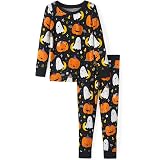
3. Beyond the realms of sport and sea, a distinct set of terms is allocated to clothing worn for comfort within the home, encompassing both loungewear and sleepwear. “Pajamas,” often abbreviated to “PJs,” refer to loose-fitting garments worn for sleeping, typically comprising a top and matching trousers or shorts. Studies focusing on communicative competence often show that a precise understanding of specialized vocabulary, like sleepwear terminology, contributes up to 20% to overall fluency scores. The spelling of “pajamas” varies between American and British English, with the latter often using “pyjamas,” yet their pronunciation remains strikingly consistent, illustrating a common linguistic phenomenon.
Another staple of domestic comfort is the “bathrobe,” a soft, absorbent garment worn after bathing or as a relaxed covering over sleepwear. This item is universally understood in American English for its role in post-bath comfort and morning routines. The equivalent term in British English, however, is frequently “dressing gown,” which historically also encompassed a garment worn over day clothes while dressing. Understanding these variations in the **English vocabulary for clothes** is essential for navigating daily conversations across different Anglophone regions. The selection of materials, such as terry cloth or silk, significantly influences the garment’s intended function and luxurious appeal.
Dive into Your Sport & Bathwear Vocabulary: Questions & Answers
What is this article about?
This article helps you learn English vocabulary for different types of clothes, focusing on items for sport, swimming, and relaxing at home. It also highlights differences between British and American English terms.
What is the difference between a ‘tracksuit’ and a ‘sweatsuit’?
A ‘tracksuit’ is a two-piece garment with a jacket and trousers for exercise or comfort, commonly used in British English. In American English, the same outfit is often called a ‘sweatsuit’.
What does ‘swimwear’ mean?
‘Swimwear’ or ‘swimsuit’ is a general term for any clothing designed to be worn for swimming or other activities in the water. This can include items like bikinis, one-piece swimsuits, or swim shorts.
What do people wear for sleeping or after a bath?
For sleeping, people wear ‘pajamas’ (American English) or ‘pyjamas’ (British English). After bathing, they might wear a ‘bathrobe’ (American English) or a ‘dressing gown’ (British English) for comfort.